

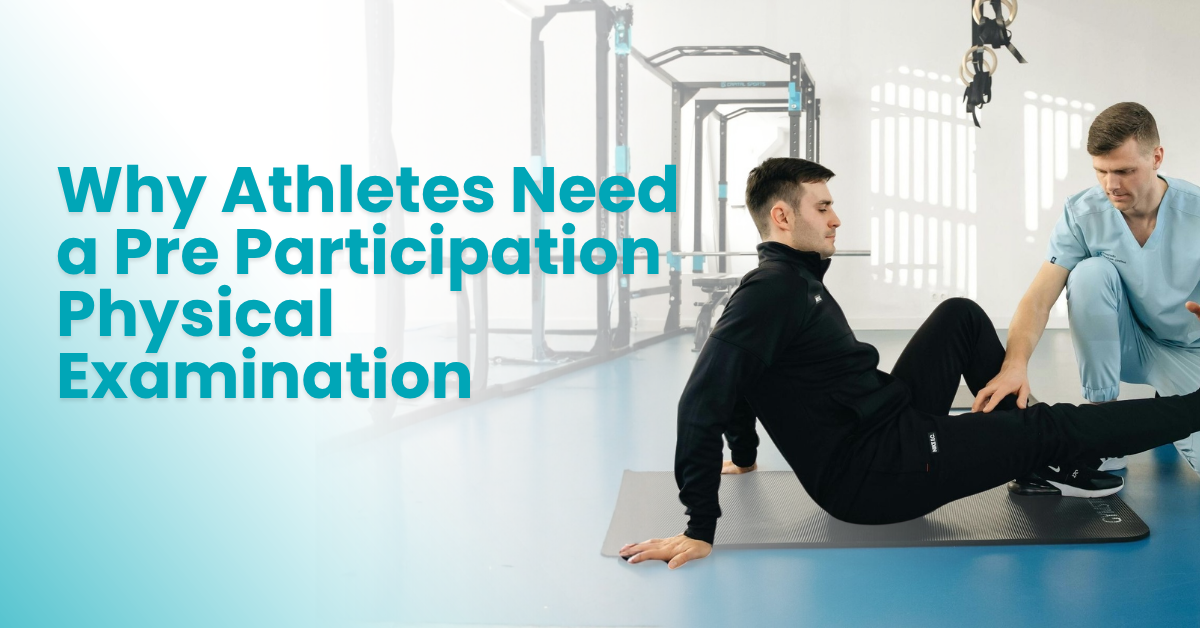
A pre participation physical examination (PPE) is a medical assessment performed before an athlete starts or returns to sport. It helps identify medical conditions, previous injuries, cardiovascular risk factors, and other health concerns that may affect safe participation in physical activity.
Quick Takeaways
- PPE evaluates an athlete’s overall health before sports.
- It reviews medical history, previous injuries, medications, and exercise-related symptoms.
- It may identify conditions requiring further medical assessment.
- Schools and sporting organisations may require medical clearance.
- Booking before the sporting season allows time for treatment if needed.
- For athletes of all ages, a PPE supports injury prevention, early detection of health issues, and safer sports participation.
But before stepping onto the field, court, track, or gym floor, there is another important part of preparation that is often overlooked, making sure the body is medically ready for sport.
That is where a pre participation physical examination can play an important role.
Whether it’s a teenager preparing for school sport, a local athlete returning to competition, or an adult participating in recreational fitness events, a sports medical assessment may help identify health concerns, previous injuries, or risk factors before physical activity intensifies.
For Australians searching pre participation physical examination, sports physical exam, or sports medical clearance, understanding what a PPE involves and why it matters, can help athletes make safer and more informed decisions before competition.
In this guide
What is a PPE?
Who needs one?
What happens during the examination?
Why injury history matters
Can it detect health problems?
When should you book?
Frequently Asked Questions
What Is a Pre Participation Physical Examination?
A pre participation physical examination (often called a PPE sports physical) is a medical assessment performed before an athlete begins or returns to sporting activity.
The purpose is not simply to “pass” or “fail” an athlete.
Instead, the assessment aims to:
- Review overall health
- Identify medical concerns
- Assess injury history
- Evaluate factors that may affect safe sports participation
- Support injury prevention and athlete wellbeing
Many people search for terms such as sports physical exam, sports medical clearance, and PPE sports physical when preparing for a sporting season.
- what is a pre participation physical examination
- PPE sports physical
- sports medical clearance
are often surprised to learn that these assessments focus heavily on prevention rather than performance testing.
Why Is a Pre Participation Physical Examination Important?
Sport places physical demands on the body, sometimes at very high intensity.
While many athletes feel healthy and fit, certain medical conditions or previous injuries may increase the risk of complications during training or competition.
A sports physical exam may help identify:
- Previous injuries that have not fully recovered
- Joint or muscle concerns
- Cardiovascular risk factors
- Exercise-related symptoms
- Asthma or breathing concerns
- Concussion history
- Conditions that may require further management
For younger athletes in particular, a PPE may help establish a safer foundation before participation in organised sport.
Who Needs a Pre Participation Physical Examination?
A PPE may be relevant for:
- School athletes
- Competitive athletes
- Community sports participants
- Athletes returning after injury
- Individuals starting high-intensity training
Many sporting organisations, schools, or clubs may also request sports medical clearance before participation.
This is one reason searches such as:
- sports physical exam
- sports medical clearance
- PPE sports physical
continue to increase before sporting seasons begin.
What Happens During a Pre Participation Physical Examination?
A pre participation physical examination usually consists of two parts: reviewing an athlete’s medical history and performing a physical examination. The goal is to identify health concerns that could affect safe participation in sport.
|
PPE Includes |
Purpose |
| Medical history |
Identify previous health conditions |
|
Blood pressure |
Assess cardiovascular health |
| Heart examination |
Detect possible heart concerns |
|
Lung assessment |
Review respiratory health |
| Joint examination |
Assess flexibility and injury history |
|
Medication review |
Ensure safe sports participation |
During the appointment, your GP may discuss:
Previous injuries
- Surgeries
- Medications
- Allergies
- Asthma history
- Family history
- Concussion history
- Exercise-related symptoms
The physical examination may include:
- Blood pressure assessment
- Heart and lung examination
- Joint and muscle assessment
- Flexibility and mobility checks
- General physical health review
Depending on the athlete’s history or symptoms, additional assessment or referral may sometimes be recommended.
Why Injury History Matters
One of the biggest reasons athletes seek a PPE is to assess whether old injuries have properly healed before returning to competition.
Previous injuries involving:
- Knees
- Ankles
- Shoulders
- Back
- Hamstrings
can increase the risk of reinjury if underlying issues remain unresolved.
A pre participation physical examination may help identify areas where:
- Rehabilitation may still be needed
- Training modifications may help
- Further assessment may be appropriate
This can be especially important for athletes returning after time away from sport.
Can a PPE Detect Serious Health Problems?
A PPE is not designed to predict every medical condition or prevent every sporting injury.
However, it may help identify symptoms or risk factors that require further medical review.
For example, some athletes may report:
- Chest discomfort during exercise
- Unexplained shortness of breath
- Dizziness during activity
- Fainting episodes
- Ongoing fatigue
These symptoms may warrant additional assessment before continuing competitive sport.
This is why a PPE is often viewed as an important part of preventive sports medicine rather than simply an administrative requirement.
Sports Participation and Long-Term Health
For many people, sport is not only about competition, it also supports:
- Physical fitness
- Mental wellbeing
- Social connection
- Confidence
- Long-term healthy habits
A sports physical can help ensure athletes participate as safely as possible while supporting long-term physical health.
Many people search for terms such as sports physical exam, sports medical clearance, and PPE sports physical when preparing for a sporting season.
- sports medicine in Mornington Peninsula
- sports physical exam
- pre participation physical examination
are often looking for guidance not only about clearance, but also about injury prevention and safe participation.
When Should You Book a PPE?
Ideally, athletes should arrange a pre participation physical examination before the sporting season begins.
This allows time for:
- Further testing if needed
- Injury management
- Specialist referral
- Training adjustments
- Recovery planning
Leaving assessments until immediately before competition may limit time to properly address identified concerns.
Signs You Should Book a PPE Before Playing Sport
- Chest pain during exercise
- Shortness of breath
- Previous concussion
- Recurrent ankle injuries
- Dizziness
- Family history of heart disease
- Recent surgery
When Should You See a GP?
If you experience chest pain, dizziness, repeated injuries, or unexplained exercise symptoms, booking an appointment with a GP may help determine whether further assessment is appropriate before returning to sport.
Key Takeaway
A pre participation physical examination is an important step in preparing for sport safely. By reviewing an athlete’s medical history, previous injuries, and overall health, a PPE may help identify concerns early and support safer participation in physical activity. Booking an assessment before the sporting season also provides time for further investigation or treatment if needed.
It is an opportunity to assess overall health, review injury history, identify potential concerns early, and support safer participation in physical activity.
Whether you are preparing for a competitive sporting season, returning after injury, or starting a new level of training, speaking with a GP may help ensure your body is ready for the demands ahead.
FAQ’s
What is a pre participation physical examination?
A pre participation physical examination (PPE) is a medical assessment completed before an athlete begins or returns to sport. It reviews medical history, physical health, previous injuries, and factors that may affect safe participation.
Who needs a sports physical?
Sports physicals may be recommended for school athletes, competitive athletes, recreational sports participants, adults returning to exercise, and anyone beginning high-intensity physical activity.
What does a sports physical include?
A sports physical commonly includes:
- Medical history review
- Blood pressure check
- Heart and lung examination
- Joint and muscle assessment
- Flexibility evaluation
- Review of previous injuries
- Medication review
How long does a pre participation physical examination take?
Most PPE appointments are completed within 20 to 30 minutes, depending on the athlete’s medical history and whether additional assessment is required.
Can a PPE detect heart problems?
A PPE may identify symptoms or risk factors that require further investigation, but it cannot diagnose every heart condition. If concerns are identified, a GP may recommend additional testing or referral.
Is a sports physical the same as a regular health check?
Not exactly. A sports physical focuses specifically on an athlete’s fitness for sport, previous injuries, and conditions that may affect safe participation in physical activity.
How often should athletes have a PPE?
Many athletes have a PPE before each sporting season or whenever they return after a significant injury, illness, or long break from sport.
Can I play sport without a PPE?
Some recreational activities do not require one, but many schools, sporting clubs, and competitions request medical clearance before participation.
When should I book my sports physical?
Ideally, several weeks before the sporting season begins. This provides enough time for further assessment, rehabilitation, or treatment if necessary.
What should I bring to my PPE appointment?
Bring a list of current medications, previous medical records if relevant, details of past injuries or surgeries, and any forms required by your school, club, or sporting organisation.
People also ask
What happens if you fail a sports physical?
A sports physical is not simply a pass-or-fail assessment. If a GP identifies a medical concern, previous injury, or symptoms that require further evaluation, they may recommend additional testing, treatment, or rehabilitation before you return to sport.
Can a GP perform a sports physical?
Yes. A GP can perform a pre participation physical examination (PPE) by reviewing your medical history, assessing your overall health, and identifying any conditions that may affect safe participation in sport.
Does Medicare cover sports medical assessments?
Medicare eligibility depends on the reason for the consultation and your individual circumstances. It’s best to speak with your GP clinic to confirm whether Medicare benefits apply and whether any out-of-pocket costs may be involved.
Can adults have a pre participation physical examination?
Yes. A PPE is suitable for athletes of all ages, including adults returning to exercise, recreational sports participants, and individuals beginning high-intensity training.
What is checked during a PPE?
A pre participation physical examination typically includes a review of your medical history, previous injuries, medications, blood pressure, heart and lung health, joint function, flexibility, and any exercise-related symptoms that may require further assessment.
How often should athletes have a sports physical?
Many athletes have a PPE before the start of each sporting season or before returning to sport after a significant injury, illness, or extended break. Your GP can advise how often an assessment is appropriate based on your health and sporting activities.
Helpful Resources
For more information about sports health and physical activity, visit: