

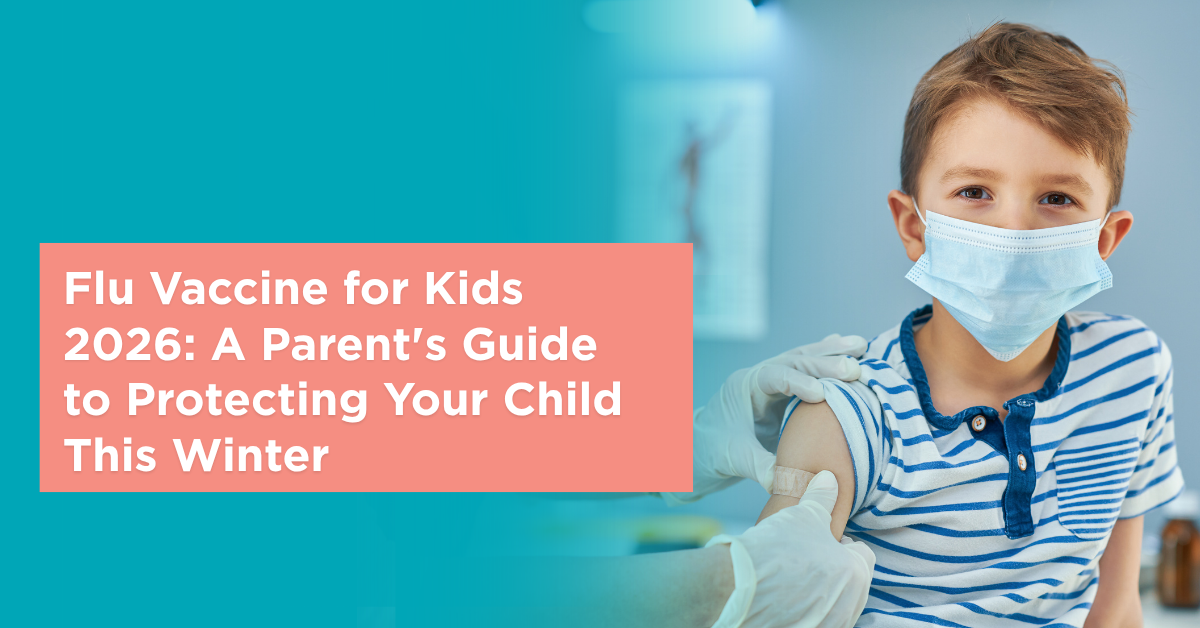
The flu vaccine for kids is recommended every year for children aged 6 months and older in Australia. In 2026, children aged 6 months to under 5 years are eligible for a free annual influenza vaccine under the National Immunisation Program (NIP), while some older children may also qualify because of medical risk factors. Parents in Mornington can ask their GP about eligibility, the correct dose schedule and current vaccine availability.
Key Takeaways
- Annual flu vaccination is recommended for children aged 6 months and older.
- Children aged 6 months to under 5 years can receive a free annual flu vaccine under the NIP.
- Some children need two doses at least four weeks apart in their first vaccination season.
- FluMist is a needle-free nasal spray registered for children aged 2 to under 18, but it is not suitable for everyone.
- If your child has not received the 2026 vaccine, ask your GP whether vaccination is still appropriate and available locally.
Why Is the Flu Vaccine Important for Children?
The flu vaccine helps reduce the risk of influenza and its complications in children. Young children, particularly those under 5, have a higher risk of severe influenza than many older children and healthy adults, and complications can sometimes require hospital care.
Influenza can cause fever, cough, sore throat, muscle aches and fatigue. Some children develop complications such as ear infections or pneumonia. Vaccination does not prevent every infection, but it is an important way to reduce the risk of influenza and severe illness.
Annual vaccination is recommended because influenza viruses change over time and the vaccine formulation is updated for each season. Parents can discuss vaccination alongside other age-appropriate preventive care with their child’s GP.
Who Can Get a Free Flu Vaccine in Australia in 2026?
All children aged 6 months to under 5 years are eligible for a free annual influenza vaccine under the National Immunisation Program. Children aged 5 years and older may also qualify for a free vaccine if they have certain medical risk conditions or meet another funded-group criterion; eligibility is not automatic for every child.
The main NIP-funded groups include:
- Children aged 6 months to under 5 years
- Aboriginal and Torres Strait Islander people aged 6 months and older
- People aged 6 months and older with certain medical conditions that increase the risk of severe influenza
- Pregnant people
- Adults aged 65 years and older
For children aged 5 and over, the relevant medical conditions may include specified chronic respiratory, cardiac, neurological, immunocompromising or other health conditions. A GP or immunisation provider should assess the child’s circumstances and confirm eligibility.
The vaccine may be free for eligible children, but parents should ask whether any consultation or administration fees apply at their chosen clinic. For current eligibility details, see the Australian Government’s influenza vaccine information and Victoria’s seasonal influenza vaccine guidance.
FluMist: Is a Needle-Free Flu Vaccine Available for Kids?
FluMist is a live attenuated influenza vaccine given as a nasal spray rather than an injection. In Australia, it is registered for children and adolescents aged 2 to under 18 years, but its availability and funding vary by state and program, and it is not suitable for every child.
FluMist is a different type of vaccine from the injected inactivated influenza vaccines. A healthcare professional needs to check your child’s age, medical history, medicines and any relevant precautions before deciding whether it is appropriate.
In Victoria, FluMist availability may depend on the provider and current supply arrangements. Do not assume that it is stocked at every clinic or provided free of charge. Ask the clinic whether it is available and what costs may apply.
FluMist may not be appropriate for children with certain immune conditions or those taking particular medicines, including salicylate medicines. Children with asthma or a history of wheezing should also have their suitability assessed by a healthcare professional. Tell the GP about your child’s health conditions, medicines and allergies before vaccination.
For product-specific information, see the Australian Immunisation Handbook’s FluMist guidance.
How Many Flu Vaccine Doses Does a Child Need?
Most children need one influenza vaccine dose each year, but some children need two doses during their first vaccination season. Under Australian guidance, children aged 6 months to under 2 years receiving influenza vaccine for the first time, and children aged 6 months to under 9 years with a medical risk condition receiving it for the first time, should receive two doses at least four weeks apart.
| Child’s situation | General recommendation |
|---|---|
| Child aged 6 months to under 2 years receiving influenza vaccine for the first time | Two doses, at least 4 weeks apart |
| Child aged 6 months to under 9 years with a medical risk condition receiving influenza vaccine for the first time | Two doses, at least 4 weeks apart |
| Most other children who have previously been vaccinated | One annual dose |
| Child aged 9 years or older | Usually one annual dose |
The appropriate schedule can depend on the child’s age, medical risk factors and vaccine product. Ask the GP to check the vaccination history and confirm whether a second dose is needed before leaving the appointment.
For current recommendations, consult the Australian Immunisation Handbook.
When Should Children Get the Flu Vaccine in 2026?
Annual influenza vaccination is ideally given before influenza begins circulating widely, and Australian guidance recommends vaccination when the seasonal vaccine becomes available, usually from April. However, vaccination can still be offered later in the year while influenza is circulating and a valid vaccine is available, so families who missed an earlier appointment should ask their GP about current advice.
It usually takes around two weeks for the immune response to develop after vaccination. Protection is not immediate, and the degree of protection can vary by season, vaccine and individual.
Victoria reported increasing influenza and other respiratory infections in August 2026 and advised that it was not too late to get vaccinated. If your child has not yet received the 2026 vaccine, check current local advice rather than assuming the vaccination window has passed.
The timing and availability of vaccines can change. Read the Victorian Government’s seasonal influenza vaccine guidance or contact your GP for advice relevant to your child.
Is the Flu Vaccine Safe for Children?
Influenza vaccines used in Australia are assessed for safety and quality, and vaccination is recommended annually for children aged 6 months and older. Injectable influenza vaccines use inactivated virus components or other non-live vaccine technology, while FluMist contains weakened live influenza viruses and has different suitability considerations.
Like other vaccines, the flu vaccine can cause temporary side effects. These are generally mild, but parents should discuss their child’s medical history and any previous serious vaccine reactions with the immunisation provider before vaccination.
Common Side Effects After an Injected Flu Vaccine
Some children may experience:
- Pain, redness or swelling where the injection was given
- Mild fever
- Tiredness
- Muscle aches or feeling generally unwell
These effects usually settle within a short period. Ask your healthcare professional what to expect for your child and what to do if symptoms persist or you are concerned.
Possible Side Effects After FluMist
As FluMist is given through the nose, some children may experience a runny or blocked nose or other short-lived symptoms. The side effects and precautions differ from those associated with injected vaccines, so the product information and the healthcare professional’s advice should guide parents.
Seek urgent medical care if your child develops signs of a severe allergic reaction, such as difficulty breathing or swelling of the face or throat, after vaccination. If you are concerned about a reaction, contact your healthcare provider for advice.
What Should Parents Tell the GP Before Vaccination?
Before your child receives a flu vaccine, tell the GP or immunisation provider about allergies, previous vaccine reactions, current medicines and any health conditions that may affect vaccine choice. This is particularly important if you are considering FluMist, because the nasal vaccine has specific contraindications and precautions.
Let the provider know if your child:
- Has had a severe allergic reaction to a previous influenza vaccine or a vaccine component
- Has a condition affecting their immune system or is taking immune-suppressing medicines
- Has asthma, a history of wheezing or another significant medical condition
- Takes medicines that may affect whether FluMist is suitable
- Is currently unwell or has had a recent significant illness
A child with an egg allergy can generally receive an influenza vaccine, but parents should tell the provider about the allergy and any previous serious reaction. The provider can assess the appropriate vaccine and setting based on the child’s history.
A mild illness does not always mean vaccination needs to be postponed, but a significant illness or fever may affect timing. Let the clinician assess your child on the day rather than cancelling automatically.
Can the Flu Vaccine Be Given With Other Childhood Vaccines?
Influenza vaccine can generally be given at the same appointment as many other recommended vaccines, depending on the products and the child’s circumstances. Combining appointments may reduce extra visits, but the immunisation provider should review the vaccination schedule and any product-specific precautions.
Bring your child’s vaccination record or make sure their immunisation history is available. The provider can check which vaccines are due, record the doses given and explain whether another appointment is needed.
If your child is receiving FluMist, ask the provider whether any specific spacing or administration considerations apply to the other vaccines planned for that visit.
Flu Vaccination for Children in Mornington
Parents seeking a flu vaccine for kids in Mornington can contact The Peninsula Medical & Dental Clinic to ask about childhood influenza vaccination, current vaccine availability and eligibility for a funded dose. The clinic team can advise on appointment arrangements and whether the vaccine option being considered is suitable for the child.
Before booking, ask the clinic to confirm:
- Whether the 2026 influenza vaccine is currently available
- Whether your child meets the criteria for a free vaccine
- Whether the clinic offers injectable vaccine, FluMist or both
- Whether any consultation or administration fees apply
- Whether your child needs one dose or two
For local information, visit the clinic’s Children’s Health Mornington service page or Immunisations and Vaccinations in Mornington.
To ask about an appointment, call (03) 5925 9293. Confirm the clinic’s current vaccine supply and booking arrangements before attending.
FAQs
At what age can my child get the flu vaccine?
Annual influenza vaccination is recommended from 6 months of age. Children younger than 6 months are not eligible for influenza vaccination, so protecting infants also involves keeping eligible household members up to date with their vaccinations and following medical advice.
Is the flu vaccine free for children in Victoria?
Children aged 6 months to under 5 years are eligible for a free annual influenza vaccine under the National Immunisation Program. Some older children may also qualify because of medical risk factors or another funded-group criterion. Ask the provider to confirm eligibility and whether any consultation fees apply.
Is FluMist available in Mornington?
FluMist is registered in Australia for children aged 2 to under 18 years, but it is not necessarily available at every clinic. Contact the clinic before booking to confirm stock, suitability, funding and any costs.
Does my child need two flu vaccine doses?
Some children need two doses at least four weeks apart during their first influenza vaccination season. This includes children aged 6 months to under 2 years and children aged 6 months to under 9 years with a medical risk condition who are being vaccinated for the first time. The provider should confirm the correct schedule for your child.
Can my child get the flu vaccine if they have an egg allergy?
Children with egg allergies can generally receive an influenza vaccine, but parents should tell the healthcare professional about the allergy and any history of serious reactions. The provider can assess the child’s history and recommend the appropriate vaccine and setting.
Can my child get the flu vaccine while they have a cold?
A mild illness does not always prevent vaccination, but a significant illness or fever may affect whether it is best to proceed that day. Tell the healthcare professional about your child’s symptoms so they can assess the timing.
Is it too late to get the 2026 flu vaccine?
Not necessarily. Influenza vaccination may still be offered while influenza is circulating and a valid vaccine is available. Check current local advice and vaccine availability with your GP rather than relying only on the usual April-to-winter timing.
Can the flu vaccine be given with other childhood vaccinations?
Influenza vaccine can generally be administered at the same visit as many other recommended vaccines. The provider should review your child’s vaccination history and the products planned for that appointment to confirm the appropriate schedule.
References
- Australian Technical Advisory Group on Immunisation (ATAGI): 2026 seasonal influenza vaccine statement
- Therapeutic Goods Administration: 2026 Seasonal Influenza Vaccines
- Australian Immunisation Handbook: Influenza vaccine recommendations
- Australian Immunisation Handbook: FluMist
- Victorian Government: Seasonal influenza vaccine
- Australian Government: Influenza (flu) vaccine
- Australian Technical Advisory Group on Immunisation (ATAGI). Statement on the Administration of Seasonal Influenza Vaccines in 2026. Available at: https://www.health.gov.au
- Therapeutic Goods Administration (TGA). 2026 Seasonal Influenza Vaccines. Available at: https://www.tga.gov.au/resources/publication/corporate-reports/2026-seasonal-influenza-vaccines
- National Centre for Immunisation Research and Surveillance (NCIRS). Influenza Vaccines Frequently Asked Questions. Available at: https://ncirs.org.au/influenza/influenza-vaccines-frequently-asked-questions-faqs
- Victorian Department of Health. Seasonal Influenza Vaccine 2026. Available at: https://www.health.vic.gov.au/immunisation/seasonal-influenza-vaccine
- Australian Government Department of Health and Aged Care. Influenza (Flu) Vaccine. Available at: https://www.health.gov.au/topics/immunisation/vaccines/influenza-flu-vaccine