

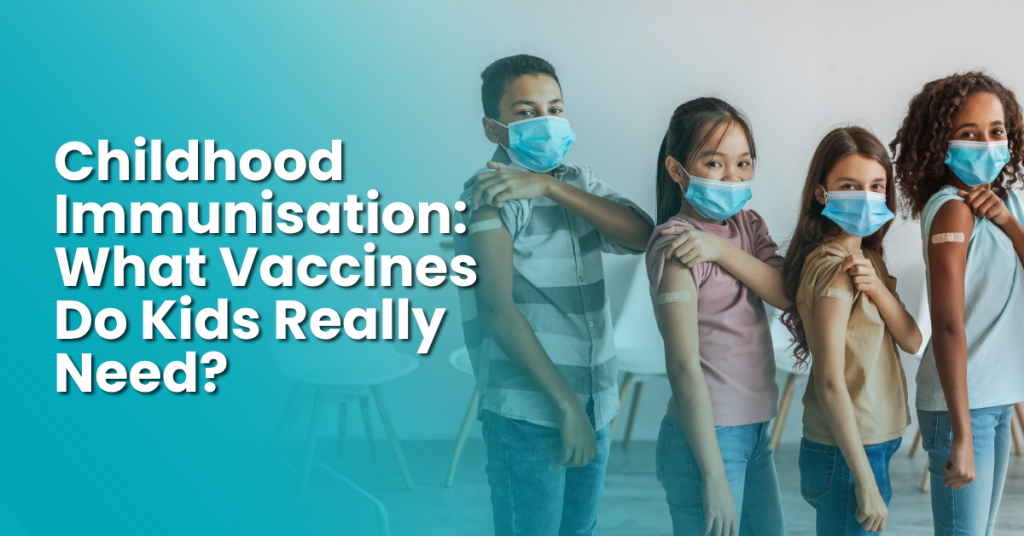
Childhood immunisation helps protect children against serious infectious diseases during infancy, childhood and adolescence. Australia’s National Immunisation Program (NIP) recommends vaccines at specific ages, with additional recommendations for some children based on medical conditions and other risk factors. Your GP or immunisation provider can help you check which vaccines are due and plan catch-up vaccinations if needed.
Key Takeaways
- Childhood immunisation helps protect children against several serious vaccine-preventable diseases.
- Australia’s National Immunisation Program sets out routine vaccines and the ages at which they are recommended.
- The vaccines recommended for a child may vary according to age, medical conditions, eligibility and previous vaccination history.
- If your child has missed a vaccine, a catch-up schedule may be available.
- Parents can check vaccination records through the Australian Immunisation Register and discuss questions with their GP.
What Is Childhood Immunisation?
Childhood immunisation is the process of giving vaccines during infancy, childhood and adolescence to help protect against specific infectious diseases. Vaccines train the immune system to recognise particular germs, helping it respond more effectively if the child encounters them in the future. The recommended timing and number of doses depend on the vaccine and the child’s circumstances.
Immunisation aims to reduce the risk of diseases and their complications, including illnesses that can lead to hospitalisation. It also contributes to community protection by helping reduce the spread of some infections.
Why Are Childhood Vaccines Important?
Childhood vaccines help protect children during important stages of growth, including infancy when some infections can cause serious illness. The Australian immunisation schedule sets out when routine vaccines are recommended to provide protection at appropriate ages. Staying up to date can reduce the risk of vaccine-preventable diseases and their complications.
Some infections can cause severe illness, including complications affecting breathing, the brain or other organs. Immunisation is an important part of preventive healthcare, alongside regular health reviews and advice from your child’s healthcare provider.
Vaccination can also help protect people in the community who are particularly vulnerable to infections, including young infants and some people with weakened immune systems. The level of protection varies by vaccine and disease, so recommended doses and boosters remain important.
What Is the Childhood Immunisation Schedule in Australia?
Australia’s National Immunisation Program schedule outlines routine vaccines recommended at different ages, from birth through adolescence. The schedule includes vaccines against diseases such as hepatitis B, whooping cough, polio, rotavirus, measles, mumps, rubella and meningococcal disease. Because recommendations can change, parents should check the current schedule rather than relying on an old chart or online list.
The following is a general guide to key routine schedule points. It is not a personalised vaccination plan, and some vaccines depend on eligibility, medical risk factors or state and territory programs.
| Age | Examples of vaccines or diseases covered |
|---|---|
| Birth | Hepatitis B |
| 2 months (some vaccines may be given from 6 weeks) | Combination protection against diphtheria, tetanus, whooping cough, hepatitis B, polio and Hib; rotavirus and pneumococcal vaccines |
| 4 months | Further doses of several infant vaccines, including combination, rotavirus and pneumococcal vaccines |
| 6 months | Further routine doses for some vaccines; influenza vaccination is recommended annually from 6 months of age |
| 12 months | Vaccines including measles, mumps and rubella (MMR), meningococcal ACWY and pneumococcal |
| 18 months | Vaccines including Hib, MMR-varicella and diphtheria, tetanus and whooping cough |
| 4 years | Booster protection against diphtheria, tetanus, whooping cough and polio |
| 12–13 years | Adolescent vaccines including HPV and a diphtheria, tetanus and whooping cough booster |
| 14–16 years | Meningococcal ACWY vaccine |
The exact vaccines, dose timing and eligibility should be checked against the latest Australian National Immunisation Program Schedule. Some vaccines are recommended for specific groups, including certain Aboriginal and Torres Strait Islander children and children with specified medical risk conditions.
Which Diseases Do Childhood Vaccines Help Prevent?
Childhood vaccines included in Australia’s national schedule help protect against several serious infections. Depending on the child’s age and eligibility, these can include measles, mumps, rubella, whooping cough, polio, diphtheria, tetanus, hepatitis B, rotavirus, pneumococcal disease, meningococcal disease and chickenpox. The specific vaccines and doses are determined by the current schedule and the child’s vaccination history.
| Disease or infection | Why protection matters |
|---|---|
| Measles, mumps and rubella | These viral infections can cause complications, and measles can be particularly serious. |
| Whooping cough (pertussis) | Can cause severe coughing and serious illness, especially in young infants. |
| Polio | Can cause serious complications, including paralysis. |
| Diphtheria and tetanus | Can cause severe illness affecting breathing, muscles and the nervous system. |
| Hepatitis B | Can cause liver infection and, in some cases, long-term liver disease. |
| Rotavirus | Can cause gastroenteritis, diarrhoea and dehydration in young children. |
| Pneumococcal disease | Can cause serious infections, including pneumonia, bloodstream infection and meningitis. |
| Meningococcal disease | Can progress rapidly and cause life-threatening infection. |
| Chickenpox (varicella) | Can cause complications, although severity varies between children. |
| Human papillomavirus (HPV) | Vaccination helps protect against HPV infections associated with several cancers. |
This table provides examples, not a complete list of every vaccine or eligibility group. Your healthcare provider can explain which vaccines are recommended for your child and the diseases they help prevent.
Why Does Vaccine Timing Matter?
Vaccine timing is designed to provide protection at appropriate stages of childhood, when children may be vulnerable to particular infections. Some vaccines require multiple doses to build or maintain protection, while others are recommended as boosters later in childhood or adolescence. Following the schedule helps avoid missed doses and unnecessary delays.
If a scheduled appointment is missed, do not assume your child must start the vaccination series again. A GP or immunisation provider can review the doses already received and advise on the appropriate next steps.
What Happens During a Childhood Immunisation Appointment?
A childhood immunisation appointment usually involves checking your child’s vaccination history, confirming which vaccines are due and reviewing any relevant health concerns. The healthcare professional can explain the recommended vaccines, possible side effects and aftercare before administering them. You can use the appointment to ask questions about timing, eligibility and future doses.
Before the appointment, it may help to bring your child’s immunisation record or have their Australian Immunisation Register details available. Tell the provider about previous vaccine reactions, relevant medical conditions, allergies and any concerns about the child’s health.
After vaccination, the provider can explain which reactions may be expected and when to seek medical advice. Ask how the next dose will be recorded and when your child may need to return.
Are Childhood Vaccines Safe?
Vaccines approved for use in Australia undergo regulatory assessment and continue to be monitored for safety. Like other medicines, vaccines can cause side effects, but common reactions are generally mild and short-lived. A healthcare professional can explain the expected reactions and help assess any concerns based on your child’s medical history.
Common reactions may include:
- Soreness, redness or swelling where the injection was given.
- Mild fever.
- Temporary tiredness or irritability.
- Reduced appetite for a short period.
Not every child experiences side effects, and reactions vary depending on the vaccine. If your child has a severe or unexpected reaction, seek medical advice promptly; call emergency services if symptoms suggest a medical emergency.
If your child has a medical condition, a history of a significant vaccine reaction or another concern, discuss it with the immunisation provider before vaccination. They can advise whether any precautions or alternative arrangements are needed.
What If My Child Misses a Vaccine?
If your child misses a scheduled vaccine, catch-up immunisation may be available. The recommended plan depends on your child’s age, which vaccines they have already received and the time since previous doses. Contact your GP or immunisation provider to review the record and work out the next steps rather than assuming it is too late.
Children and adolescents may be eligible for free catch-up vaccines under the National Immunisation Program, subject to the applicable age and eligibility rules. Different rules can apply to specific vaccines and groups, so check the current national catch-up immunisation guidance.
If your child received vaccines overseas, bring any available vaccination records to your provider. They can assess which doses can be recognised, update the Australian Immunisation Register where appropriate and advise whether additional vaccines are needed.
How Can You Check Your Child’s Immunisation History?
Parents can check their child’s immunisation history through the Australian Immunisation Register (AIR), which records vaccinations reported by providers. An immunisation history statement can help you see recorded vaccinations and identify whether doses may be due or overdue. If a record appears incomplete, ask your vaccination provider whether a recent vaccination needs to be reported or corrected.
You can access an immunisation history statement through Services Australia. Keep any personal vaccination record you have as well, and take it to appointments if you are unsure which doses your child has received.
Why Does Community Immunisation Matter?
Community immunisation helps reduce the spread of some infectious diseases and can provide indirect protection to people who are more vulnerable to infection. This may include young infants and people who cannot receive particular vaccines or who have reduced immune protection. The extent of community protection varies by disease and vaccine, so keeping recommended vaccinations up to date remains important.
Immunisation decisions should be based on reliable health information and individual advice. If you have concerns about a vaccine or your child’s eligibility, speak with a GP or immunisation provider rather than relying solely on social media or unverified online claims.
When Should You Speak With Your GP About Childhood Immunisation?
Speak with your GP or immunisation provider if you are unsure which vaccines are due, your child has missed a dose, you have concerns about a previous reaction or your child has a medical condition that may affect vaccination recommendations. Your provider can review the vaccination history and explain the current schedule, eligibility and catch-up options.
Consider booking an appointment if:
- You are unsure which vaccines your child should receive next.
- Your child has missed one or more scheduled doses.
- Your child has experienced a previous significant vaccine reaction.
- You are planning overseas travel and need to review vaccination needs.
- Your child has a medical condition that may affect vaccine recommendations.
- You need help checking or updating your child’s immunisation history.
Childhood Immunisation in Mornington
Parents and carers in Mornington can speak with a GP or immunisation provider about their child’s vaccination schedule, missed doses and individual health needs. The Peninsula Medical & Dental Clinic provides information about its children’s health services in Mornington and immunisation and vaccination services.
If you are unsure which vaccines are due, contact the clinic to ask about appointment availability and what records to bring. A healthcare professional can review your child’s circumstances and advise on the appropriate next steps.
Book or enquire: Child immunisation and vaccination services
GP services: General practice in Mornington
Phone: (03) 5925 9293
Book a Childhood Immunisation Appointment
If you have questions about your child’s vaccination schedule or need advice about missed doses, contact The Peninsula Medical & Dental Clinic to ask about an appropriate appointment.
Phone: (03) 5925 9293
Location: HomeCo, T7, 75 Mornington–Tyabb Road, Mornington, VIC 3931
Ask the clinic about appointment availability, vaccine eligibility and any applicable consultation fees before attending.
FAQs
What is childhood immunisation?
Childhood immunisation involves giving recommended vaccines during infancy, childhood and adolescence to help protect against specific infectious diseases. The Australian National Immunisation Program sets out routine vaccine recommendations and timing.
When should my child receive their first vaccines?
The routine schedule includes a hepatitis B vaccine at birth, followed by further vaccines from around 2 months of age, with some vaccines able to be given from 6 weeks. Your healthcare provider can confirm the appropriate timing for your child.
Which vaccines do children need in Australia?
The National Immunisation Program includes vaccines that help protect against diseases such as whooping cough, polio, measles, mumps, rubella, hepatitis B, rotavirus and meningococcal disease. Recommendations vary by age, medical risk factors and eligibility, so check the current schedule with your GP.
Are childhood vaccines safe?
Vaccines approved for use in Australia undergo regulatory assessment and ongoing safety monitoring. Common side effects are generally mild and temporary, but discuss your child’s medical history or any previous significant reaction with a healthcare professional.
What happens if my child misses a vaccine?
Catch-up immunisation may be available if your child misses a scheduled dose. Your GP or immunisation provider can review previous vaccinations and recommend the next steps based on your child’s age and vaccination history.
Can my child receive more than one vaccine at the same appointment?
Yes, more than one vaccine may be given at the same appointment when recommended by the schedule and appropriate for your child. Your provider can explain which vaccines are due and what side effects to expect.
How can I check my child’s immunisation history?
You can request or access your child’s immunisation history statement through the Australian Immunisation Register. If a vaccination is missing from the record, contact the provider who administered it or ask your GP how the record can be checked and updated.
Where can I book childhood immunisation in Mornington?
Parents can contact The Peninsula Medical & Dental Clinic to enquire about childhood immunisation and vaccination appointments in Mornington. Ask about availability, vaccine eligibility, what records to bring and whether consultation fees apply.
References
- Australian Government — Childhood Immunisation Schedule
Lists routine childhood vaccination schedule points and explains that extra vaccines may be recommended for some children. - Australian Government — National Immunisation Program Schedule
Provides the national schedule, eligibility information and catch-up guidance. - Australian Immunisation Handbook
Provides detailed clinical guidance on vaccine recommendations, precautions and immunisation. - Services Australia — Australian Immunisation Register
Explains how vaccinations are recorded and how to obtain an immunisation history statement. - Healthdirect Australia — Immunisation and Vaccinations for Your Child
Offers parent-focused information about childhood vaccines, costs and vaccination records. - The Peninsula Medical & Dental Clinic — Children’s Health in Mornington
Provides information about the clinic’s children’s health services.