What Are Occupational Health & Safety Services?
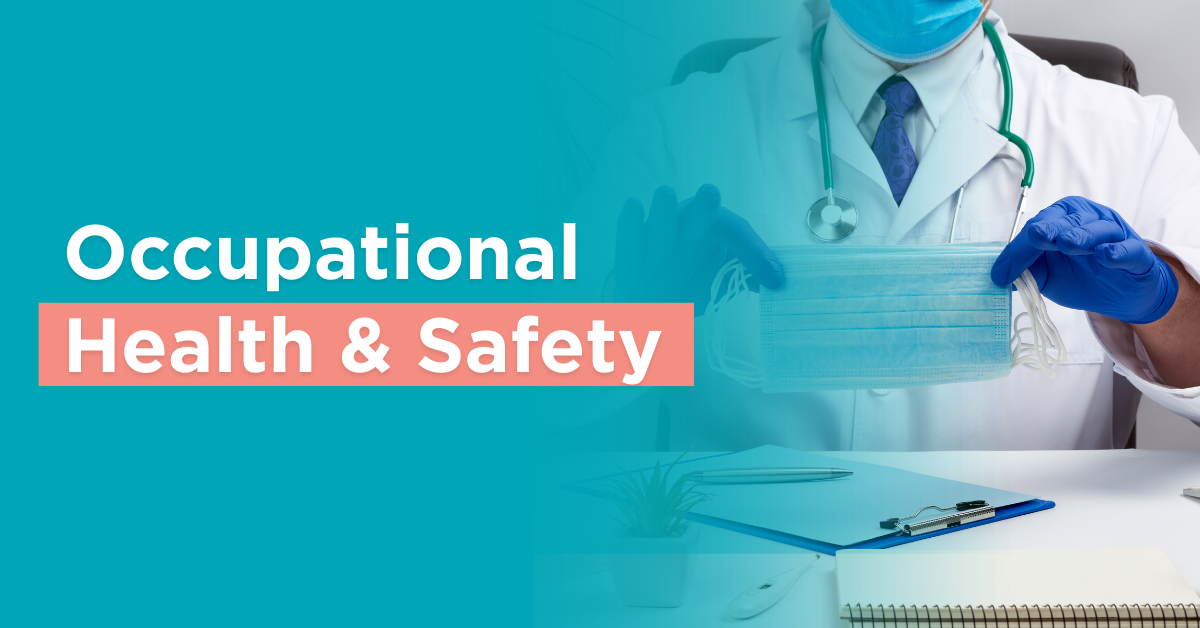
Occupational health services help employers and employees address work-related health risks through appropriate medical assessments, health monitoring and support for safe work participation. Depending on the workplace and the services available, these assessments may include pre-employment medicals, fitness-for-work evaluations and injury-related reviews. For businesses on the Mornington Peninsula, understanding occupational health can help clarify when medical assessment is appropriate and how it fits into broader workplace safety practices.
What Is Occupational Health?
Occupational health focuses on the relationship between work and health, including the prevention of work-related illness, assessment of health risks and support for employees to work safely. It can involve medical assessments, workplace health monitoring and advice tailored to job requirements, individual circumstances and relevant workplace risks.
Occupational health and occupational health and safety (OHS) are related but distinct concepts. Occupational health focuses on health and work capacity, while OHS covers the broader systems, procedures and responsibilities used to manage workplace risks and protect workers.
In Australia, work health and safety obligations are governed by applicable state or territory legislation. In Victoria, employers and other duty holders must meet their obligations under the Occupational Health and Safety Act 2004 and associated regulations, where applicable.
Medical assessments can contribute to a workplace safety program, but they do not replace hazard identification, risk controls, staff training or other required safety measures.
What Do Occupational Health Services Include?
Occupational health services may include medical assessments and health-related evaluations that help employers understand whether an employee can safely perform particular work duties. The appropriate assessment depends on the role, the workplace hazards, the employee’s circumstances and the provider’s available services.
Common types of occupational health assessments include:
- Pre-employment medical assessments: Reviews of health and functional capacity against relevant job requirements.
- Fitness-for-work assessments: Evaluations where there is a specific question about an individual’s ability to perform particular duties safely.
- Employee health assessments: Reviews of relevant health concerns or risk factors.
- Injury-related assessments: Medical evaluations to support treatment, recovery and discussions about suitable work duties.
- Workplace health monitoring: Health checks where indicated by particular workplace exposures or applicable requirements.
- Drug and alcohol testing: Testing that may be required or arranged under specific workplace policies, contracts or regulatory requirements.
Not every clinic provides every service listed above. Employers should confirm the scope of a provider’s services before arranging an assessment and explain the relevant job requirements and reason for referral.
To learn more about the clinic’s available assessment services, visit Private Medical Assessments in Mornington.
Why Do Occupational Health and Safety Practices Matter?
Occupational health and safety practices help organisations identify hazards, assess risks and introduce controls to reduce the likelihood of work-related injuries and illness. Effective systems also help clarify responsibilities, support employee wellbeing and improve how workplace health concerns are managed.
Depending on the workplace, safety measures may include:
- Identifying hazards associated with equipment, work tasks and the working environment.
- Assessing risks and implementing suitable controls.
- Providing relevant information, instruction, training and supervision.
- Responding to incidents and reviewing hazards after an injury or near miss.
- Arranging appropriate medical assessment or support when health concerns arise.
Employers should not rely on medical examinations alone to establish a safe workplace. Under applicable Victorian requirements, the management of hazards and risks remains an important part of workplace health and safety.
For businesses, a structured approach can also help reduce avoidable disruption and support clearer processes when an employee needs medical review or assistance returning to work.
What Is the Role of Employee Health Screening?
Employee health screening involves assessing selected health indicators or risks to identify concerns that may need further evaluation. Depending on the purpose of the assessment, this could involve a medical history, blood pressure measurement, vision or hearing assessment, or other checks relevant to a particular job or workplace exposure.
The tests performed should be appropriate to the employee’s duties and the reason for screening. For example, hearing monitoring may be relevant where workers are exposed to workplace noise, while a role with specific physical demands may require an assessment of relevant functional capacity.
Screening does not automatically establish that someone is fit or unfit for every role, and it cannot identify every health condition. Results should be interpreted by an appropriately qualified healthcare professional, with further investigation arranged when necessary.
Employers should also consider privacy, informed consent, appropriate handling of medical information and any applicable legal requirements when organising employee assessments.
How Do Occupational Health Assessments Support Injury Management?
Occupational health assessments can help clarify an employee’s medical needs and capacity to participate in work following an injury or illness. Depending on the circumstances, the assessment may inform discussions about suitable duties, workplace adjustments, treatment and a gradual return to work.
Support may involve:
- Assessing the injury or health concern within the clinician’s scope of practice.
- Reviewing relevant functional limitations.
- Providing medical information or documentation where appropriate.
- Discussing temporary adjustments to work duties.
- Identifying when further treatment, specialist review or follow-up is needed.
A return-to-work plan should reflect the employee’s medical circumstances, job demands and applicable workplace or workers compensation requirements. Employers should consult the relevant treating practitioner and follow the appropriate process rather than assuming that a single assessment determines every aspect of recovery.
Timely communication, with appropriate consent and privacy safeguards, can help employees and employers understand the next steps.
When Might an Employer Need an Occupational Health Assessment?
An occupational health assessment may be appropriate when an employer needs medical information relevant to a specific job requirement, workplace risk or return-to-work decision. The need for an assessment depends on the circumstances, applicable legislation, employment arrangements and the nature of the work.
Examples of situations where an assessment may be considered include:
- Before employment in a role with particular physical or medical requirements.
- When a workplace exposure requires specific health monitoring.
- When an injury or illness affects an employee’s ability to perform usual duties.
- When there is a genuine, job-related concern about fitness for work.
- When an applicable law, contract or workplace policy requires a particular assessment.
[EXAMPLE] A business recruiting for a physically demanding role may ask an appropriate healthcare provider to assess relevant functional capacity against clearly defined job requirements. The assessment should be proportionate to the role and should not be used to make assumptions about an applicant based on a diagnosis alone.
Employers should confirm the purpose, scope and legal basis of an assessment before arranging it. A GP or occupational health provider can explain what information may be assessed and what documentation can appropriately be provided.
Where Can Businesses Access Occupational Health Assessments in Mornington?
Businesses on the Mornington Peninsula can contact The Peninsula Medical & Dental Clinic to enquire about its private medical assessment services and whether a particular occupational health requirement can be accommodated. The appropriate assessment will depend on the requested service, the employee’s circumstances and the clinic’s available facilities.
Before booking, employers should explain the job requirements, the reason for the assessment and any forms or documentation that need to be completed. The clinic can confirm whether it provides the requested assessment, what information is needed and what fees apply.
For local service information, visit Private Medical Assessments in Mornington or browse the clinic’s medical services.
How Can Businesses Take a Practical Approach to Occupational Health?
A practical occupational health approach combines appropriate medical assessments with workplace risk management, clear procedures and support for employees who experience health concerns. Employers should first identify the specific workplace need, determine whether a medical assessment is appropriate and confirm the relevant legal and privacy requirements.
A useful starting process is:
- Identify the job requirement, workplace exposure or health concern.
- Review the relevant workplace safety obligations and risk controls.
- Determine whether a medical assessment or health monitoring is needed.
- Select an appropriately qualified provider whose services match the requirement.
- Explain the assessment process to the employee and manage health information appropriately.
- Follow up on relevant recommendations and review workplace controls where necessary.
This approach helps employers distinguish between clinical assessments and their broader responsibilities for workplace safety. It also gives employees a clearer understanding of why an assessment is being requested and how the information will be handled.
Book a Private Medical Assessment in Mornington
If your business needs a medical assessment related to employment, work capacity or another workplace health concern, contact The Peninsula Medical & Dental Clinic to discuss the service required. The clinic can confirm whether it offers the relevant assessment, what documentation is needed and the applicable fees before an appointment is arranged.
The Peninsula Medical & Dental Clinic
- Phone: (03) 5925 9293
- Address: HomeCo, T7, 75 Mornington–Tyabb Road, Mornington, VIC 3931
- Medical assessments: Private Medical Assessments in Mornington
- Medical services: View medical services
Contact the clinic to discuss your requirements and confirm whether the service you need is available.
FAQs
1. What are occupational health services?
Occupational health services help address health concerns associated with work and support employees in performing their duties safely. Depending on the provider, services may include medical assessments, health monitoring, fitness-for-work evaluations and injury-related reviews.
2. What is the difference between occupational health and workplace safety?
Occupational health focuses on the relationship between work and health, including medical assessment and prevention of work-related illness. Workplace safety covers the broader processes used to identify hazards, manage risks and prevent injuries, including workplace procedures, training and safety controls.
3. What does an occupational health assessment involve?
An assessment may include a medical history, physical examination, review of job requirements and selected tests relevant to the assessment. The exact process depends on the role, the reason for referral and the services offered by the healthcare provider.
4. Are occupational health assessments mandatory for every Australian business?
No single assessment is mandatory for every business or employee. Specific requirements can depend on applicable legislation, workplace hazards, industry requirements and job duties, so employers should confirm their obligations for the relevant situation.
5. Can occupational health services include pre-employment medicals?
Yes, some providers offer pre-employment medical assessments to evaluate health or functional capacity against relevant job requirements. Employers should ensure that assessments are appropriate to the role and comply with applicable privacy, discrimination and workplace laws.
6. How can occupational health assessments support injured employees?
An assessment can help clarify medical restrictions, functional capacity and possible adjustments to work duties. Where appropriate, the findings may contribute to a return-to-work plan developed with the employee, treating practitioner and relevant workplace representatives.
7. Who pays for occupational health assessments?
Payment arrangements depend on the assessment, the employer’s arrangements, the provider’s fees and any applicable legal or contractual requirements. Employers should confirm costs and responsibilities with the provider before booking.
8. Where can I arrange an occupational health assessment in Mornington?
Contact The Peninsula Medical & Dental Clinic on (03) 5925 9293 or visit its private medical assessments page. Confirm that the clinic offers the specific assessment required, along with its booking process and fees.
References
- Safe Work Australia. Work health and safety legislation and guidance. Available at: https://www.safeworkaustralia.gov.au (Accessed February 2026).
- Royal Australian College of General Practitioners (RACGP). Occupational health in general practice. Available at: https://www.racgp.org.au (Accessed February 2026).
- Australian Government Department of Health and Aged Care. Workplace health and employee wellbeing. Available at: https://www.health.gov.au (Accessed February 2026).
- Better Health Channel (Victoria). Workplace health and safety. Available at: https://www.betterhealth.vic.gov.au (Accessed February 2026).